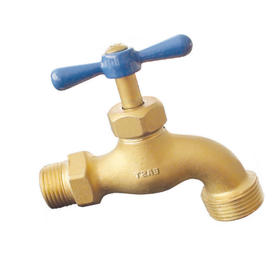
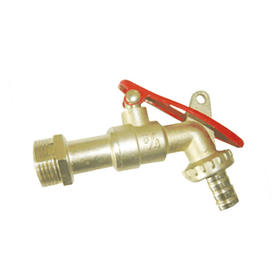
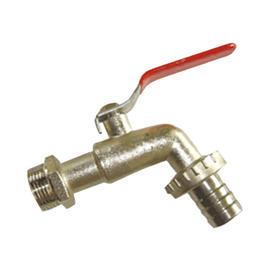
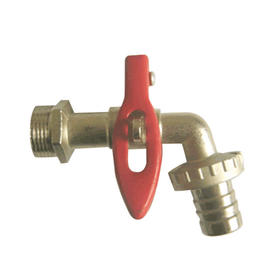
Home / Product / American / Hose Bibcock

Latest News

  • What to do if the water faucet is reduced?

    When you install the faucet and use it for a period of time, you will find that water stains are prone to remain on the surface of the faucet. No matt...

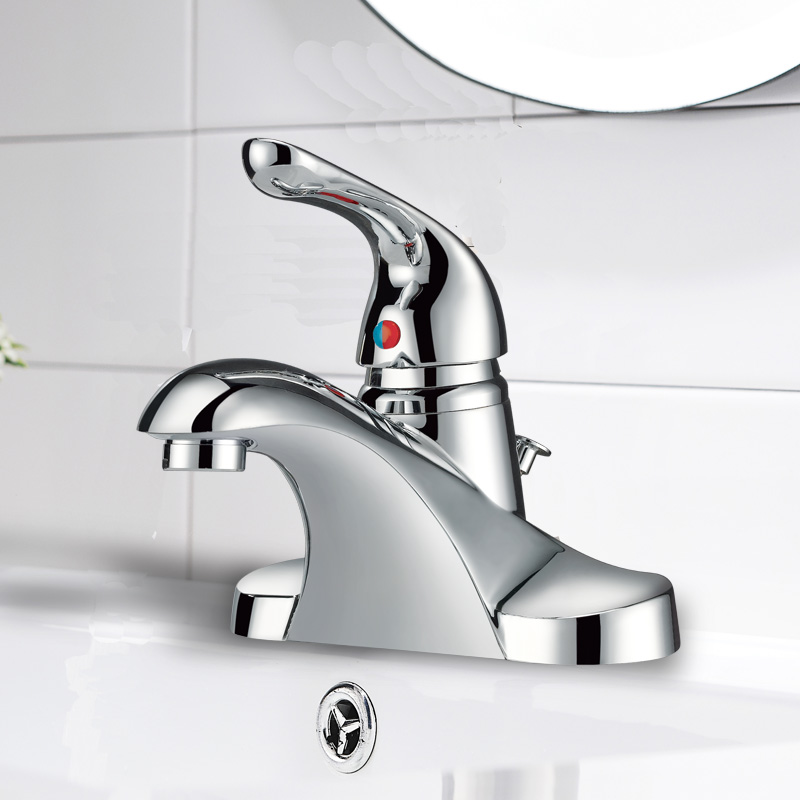
  • What is a Centerset Faucet

    It may look like a simple piece of plumbing hardware, but a faucet is a functional element of a room's design. In the faucet market, there are faucets...

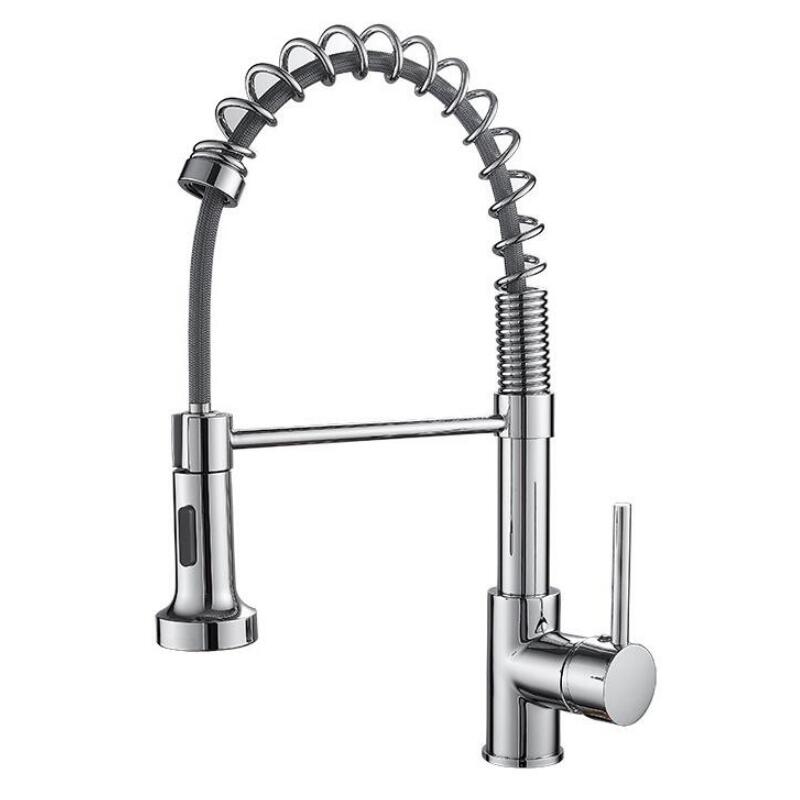
  • Advantages of pull-out faucets

    The faucet is the popular name of the water valve. It is used to control the size switch of the water flow. It has the effect of saving water. The rep...

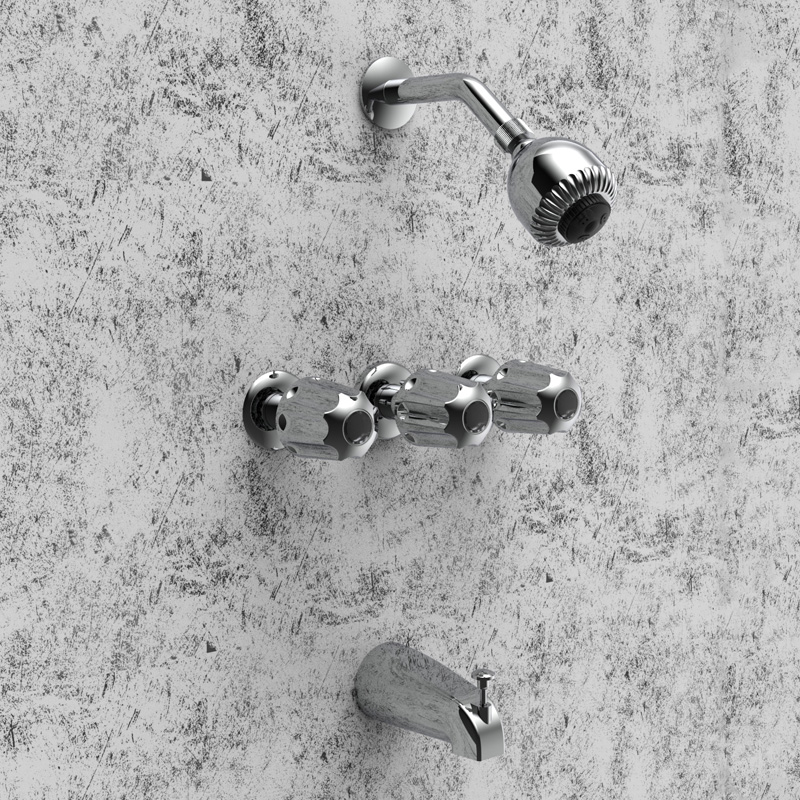
  • Precautions for the use of shower faucets

    For shower faucets, the most common problems are leaks, and the switch becomes astringent and loose. Sometimes, leaks are not related to the faucet it...

Extend Knowledge on This Topic

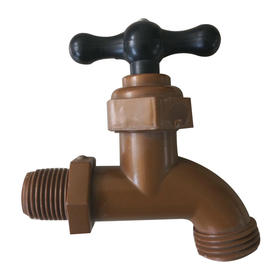
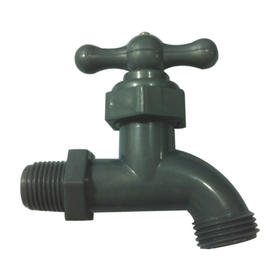
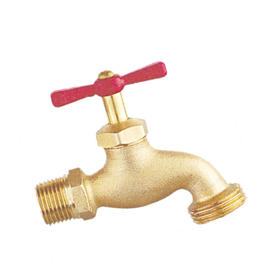
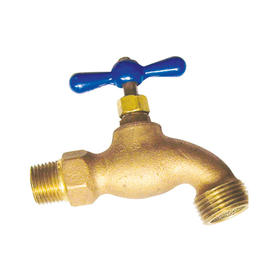
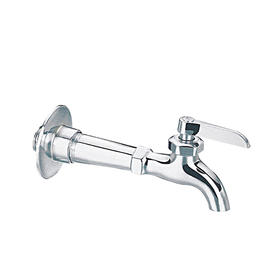
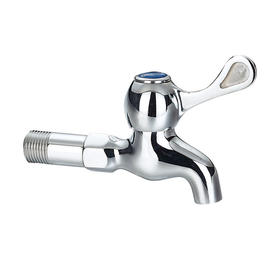
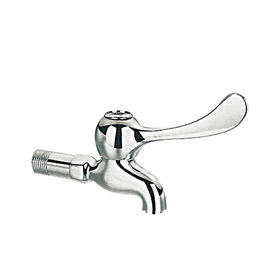
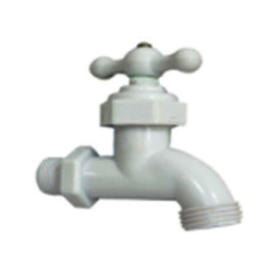
Hose Bibcock
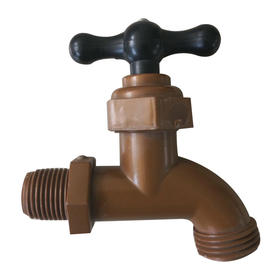
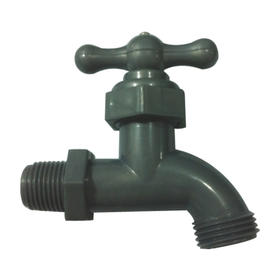
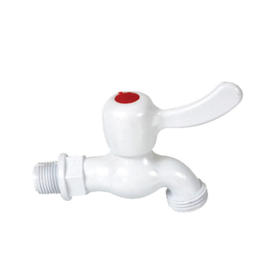
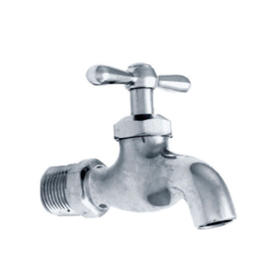
A hose bibcock, also known as a hose bib, sillcock, or spigot, is a valve located on the exterior of a building that allows access to the building's water supply for the purpose of attaching a garden hose or irrigation system. It typically has a threaded outlet to which a hose can be attached, and is controlled by a handle or lever that regulates the flow of water.
Advantage of Hose Bibcock
A hose bibcock, also known as an outdoor faucet or spigot, is a valve that controls the flow of water to an outdoor hose or irrigation system. Some advantages of a hose bibcock include:
Convenience: A hose bibcock allows for easy access to water outside of the house, making it simple to water plants, fill a swimming pool, or wash a car.
Versatility: A hose bibcock can be used with a variety of attachments, including hoses, sprinklers, and nozzles, making it a versatile tool for outdoor tasks.
Durability: Hose bibcocks are typically made of durable materials like brass or copper, which can withstand outdoor conditions and resist rust and corrosion.
Water conservation: Having a hose bibcock with a shut off valve allows for better control over the flow of water, which can help conserve water.
Protecting the indoor plumbing from freezing: During winter, hose bibcocks can be closed off and drained, which can prevent the water in the pipes from freezing.