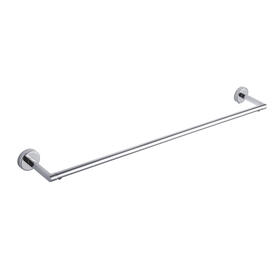
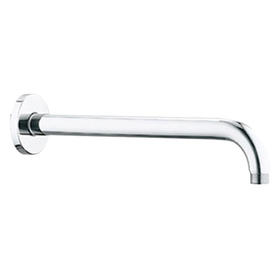
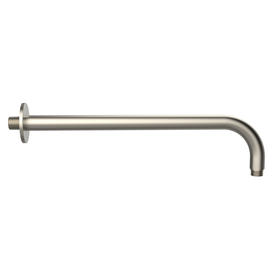
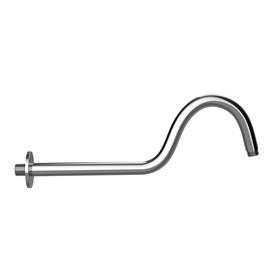
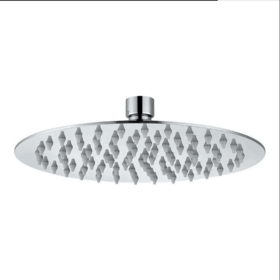
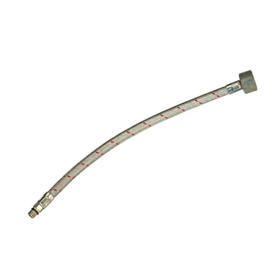
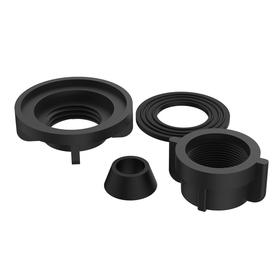
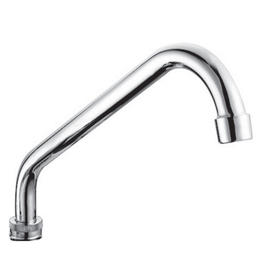
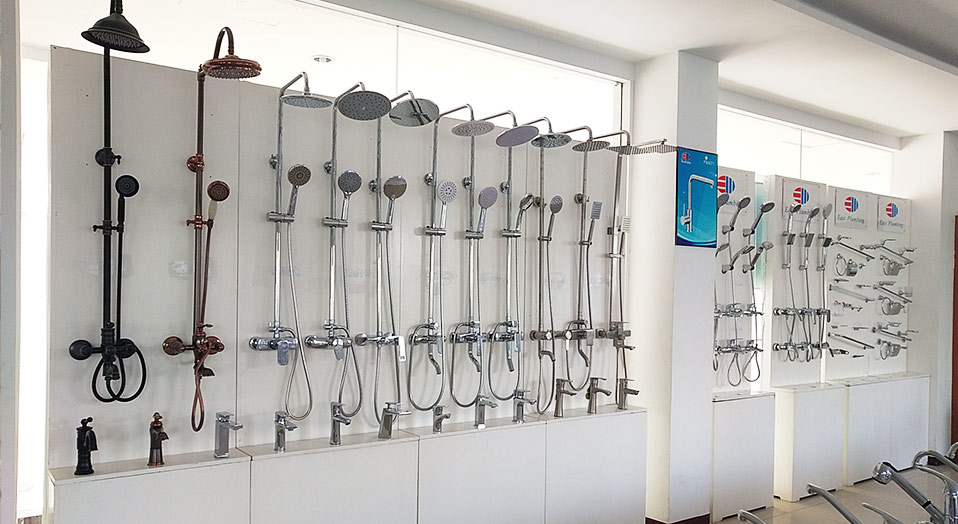
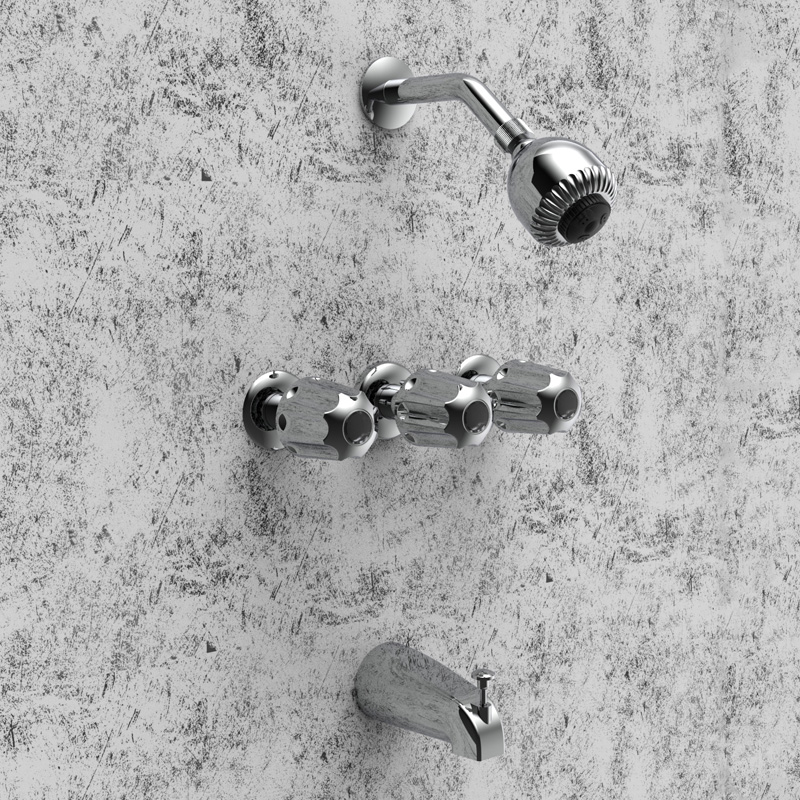
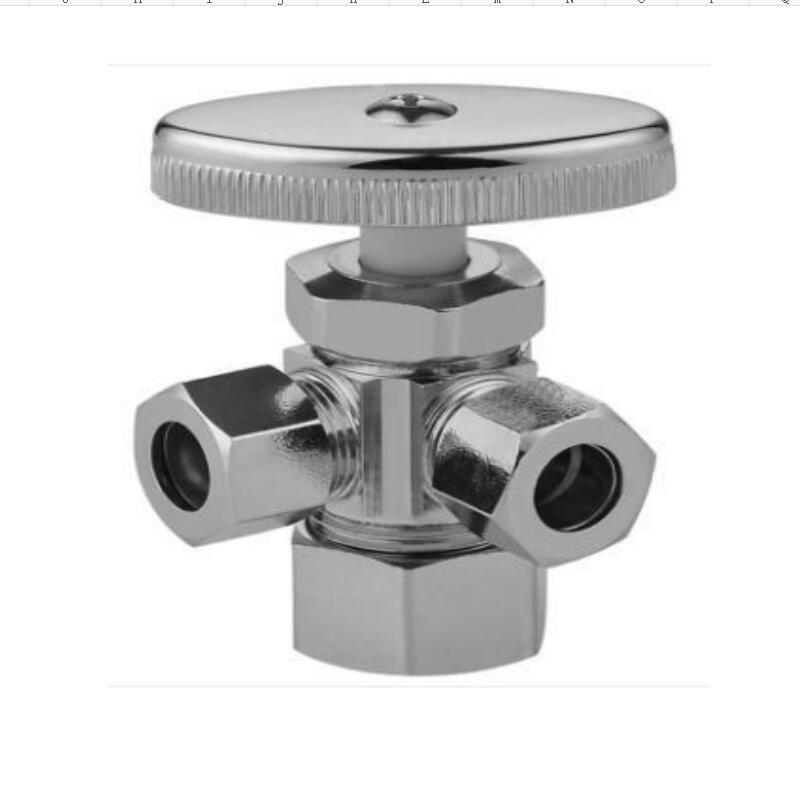
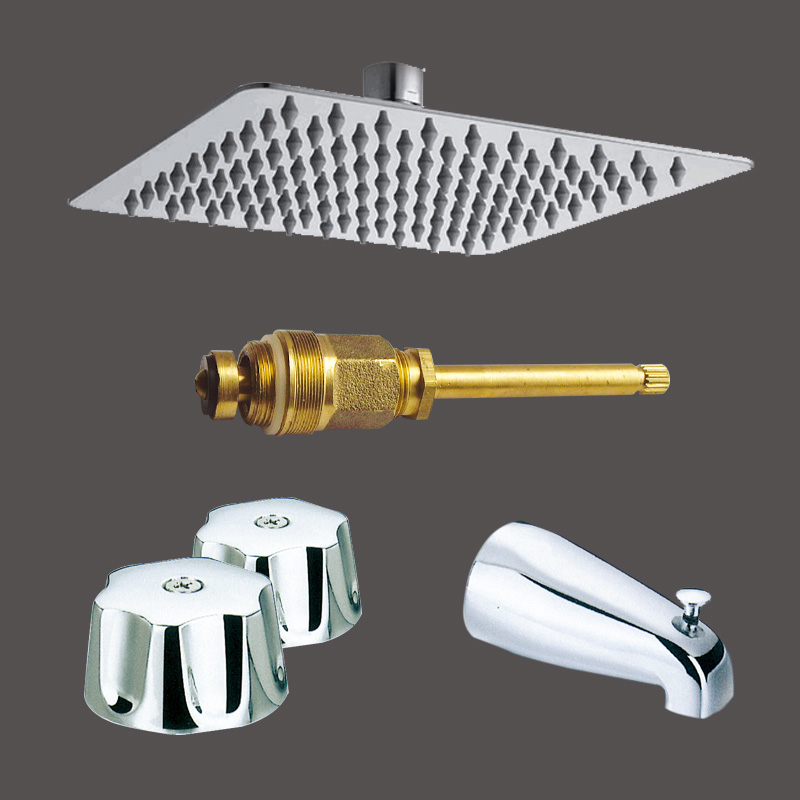
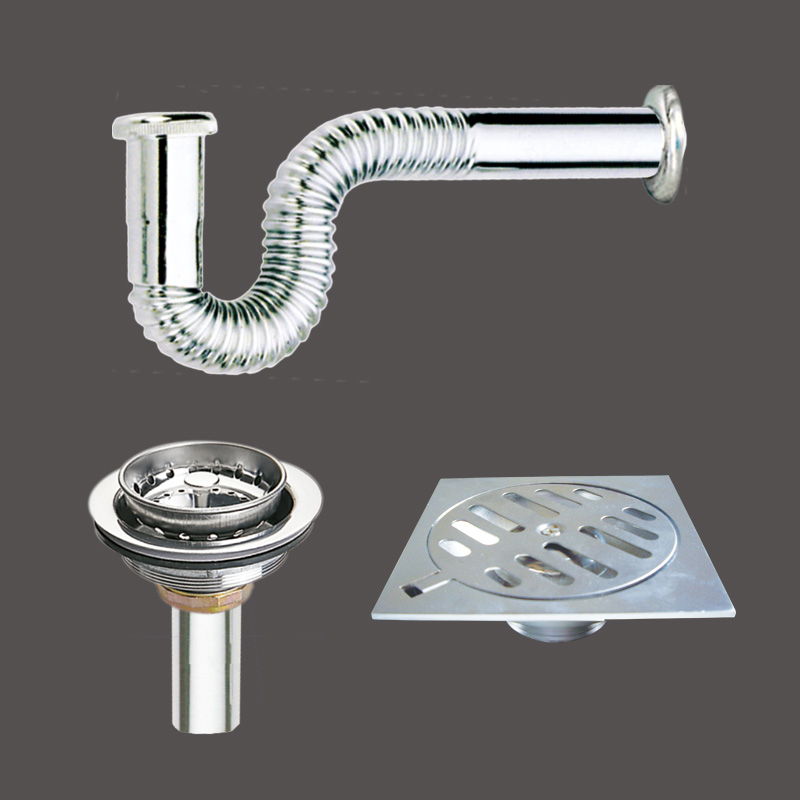
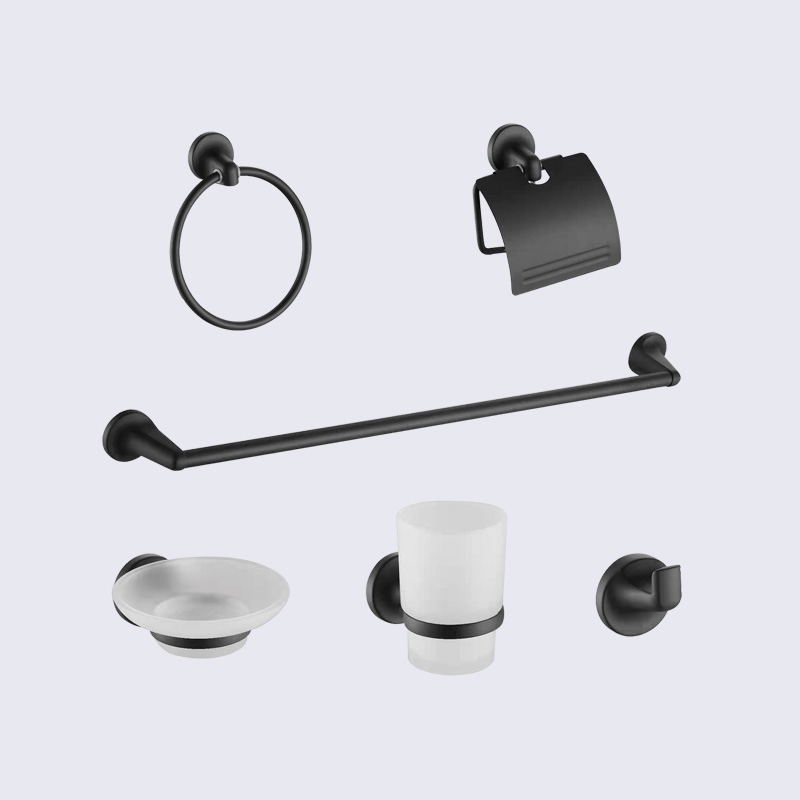
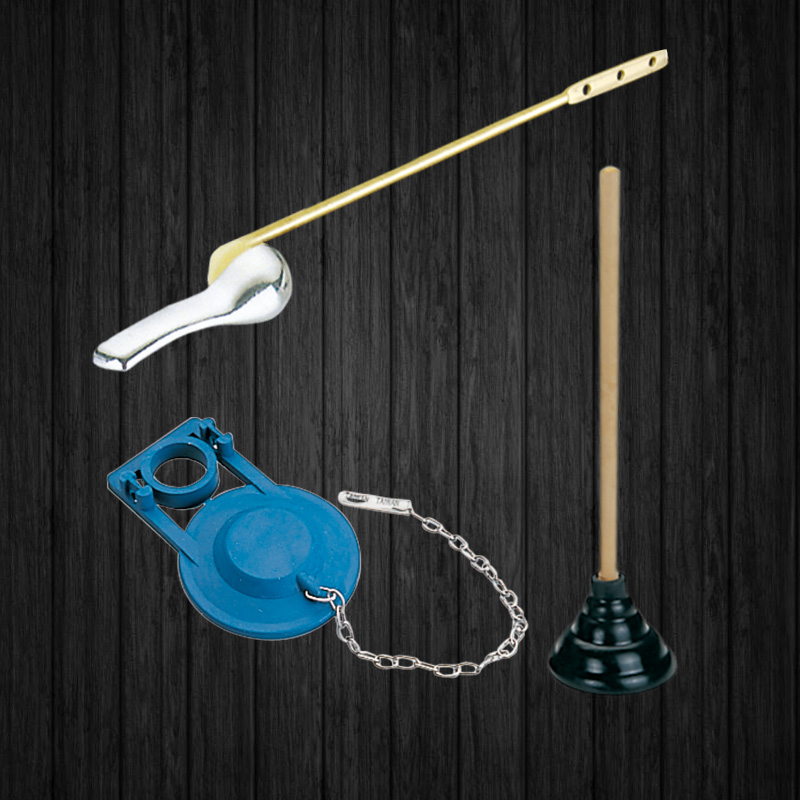
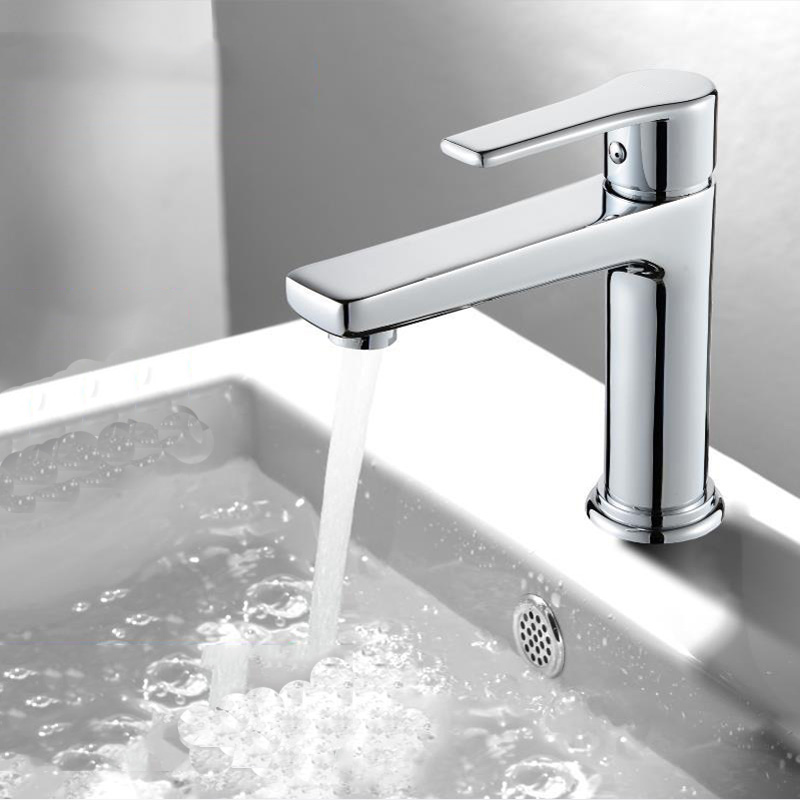
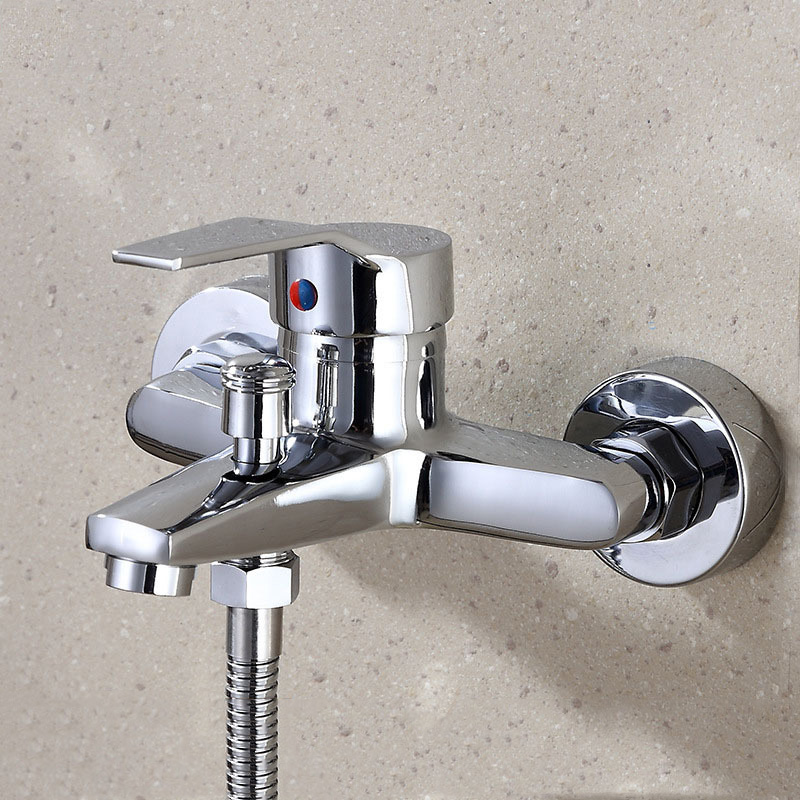
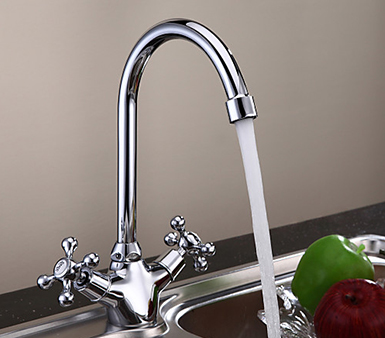
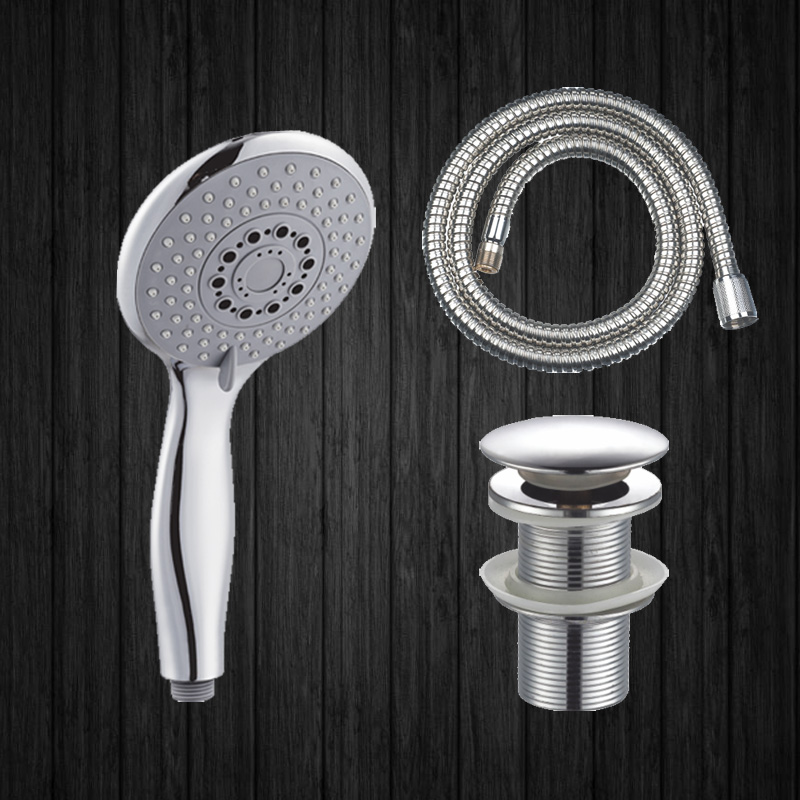
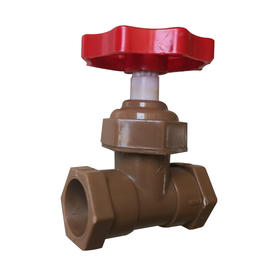
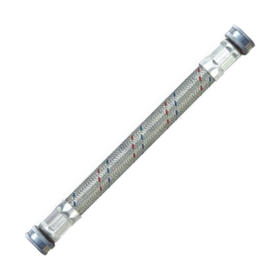
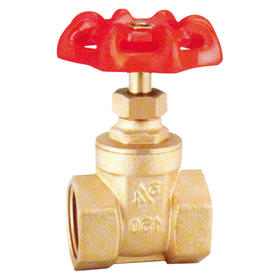
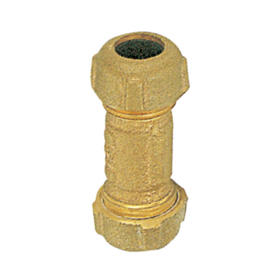
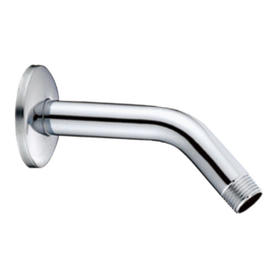
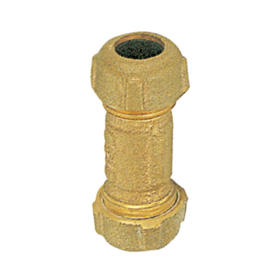
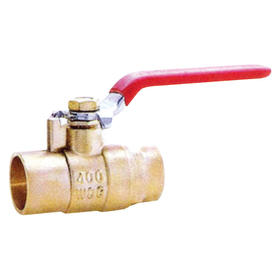
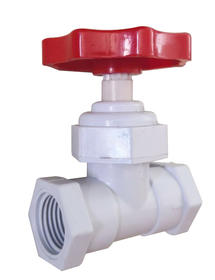
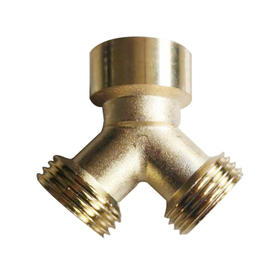
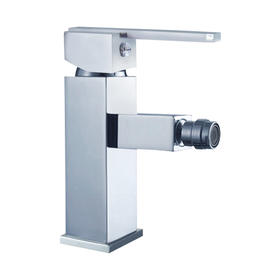
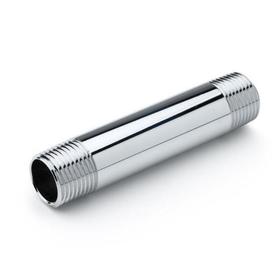
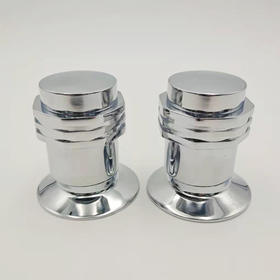
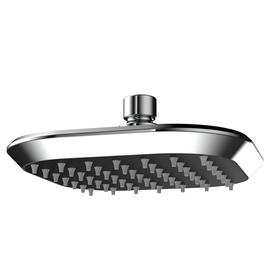
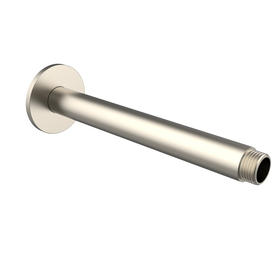
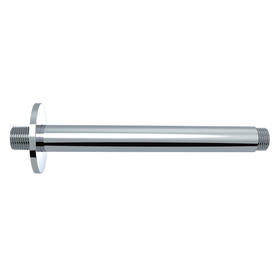
Faucet fittings are the components that connect a faucet to the plumbing in a building. These fittings include a variety of parts such as valves, aerators, and adapters that control the flow and pressure of water through the faucet. Some common types of faucet fittings include compression fittings, which use a ring that is tightened by hand to seal the connection, and soldered fittings, which are fused together using heat and solder. Other types of faucet fittings include push-fit fittings, snap-fit fittings, and threaded fittings. These fittings are typically made of materials such as brass, copper, or plastic.
Faucet fittings have several advantages that make them useful in a variety of plumbing applications. Some of these advantages include:
Durability: Faucet fittings are typically made from materials that are highly resistant to corrosion and wear, such as brass and copper, which means they can withstand regular use and last for many years.
Easy installation: Many faucet fittings are designed for easy installation, which makes them a popular choice for DIY projects and for use in new construction. Compression fittings, push-fit fittings, and snap-fit fittings are all examples of types of faucet fittings that can be installed without the need for special tools or expertise.
Flexibility: Faucet fittings are available in a variety of sizes and styles, which allows them to be used in a wide range of plumbing applications. Adapters and aerators, for example, can be used to connect a faucet to a variety of different types of pipes or to control the flow of water in specific ways.
Improved water conservation: Many faucet fittings feature aerators that mix air with the water flow, which can help to reduce water usage without affecting the flow rate. It also help to control pressure that may cause damage in the pipe or damage in the faucet itself.
Cost effective: Faucet fittings are generally less expensive than buying a new faucet and can be an affordable way to update or repair an existing faucet.

 英语
英语 1
1
.jpg)
-2.jpg?imageView2/2/w/280/h/280/format/jp2/q/75 "F9310 SN")
.jpg?imageView2/2/w/280/h/280/format/jp2/q/75 "6138")
-1.jpg?imageView2/2/w/280/h/280/format/jp2/q/75 "6138N")